
Mechanics
Slap Battles mechanics explained for Roblox: slaps as currency, power and speed stats, passive versus E-activated abilities, knockback physics, 16-player servers, and the anti-cheat permanent-ban policy.
Introduction
Mechanics is the systems reference for Slap Battles — the engine-level knowledge that guides and tier lists both lean on. At the core sits the slap loop: you knock players into the void to earn Slaps, and Slaps unlock new gloves, so the currency and the combat are the same system. Every glove carries power and speed stats that change knockback and mobility, and every ability is either passive or activated with the E key, which maps to a button on mobile. Knockback physics tie it together: direction-controlled pushes determine ring-outs, which decide matches. Servers host up to 16 players, which shapes arena pacing, tournament format, and Royale's shrink pressure. And above everything sits the anti-cheat rule: exploiting or hacking is a permanent-ban offense according to the official description. Understanding these systems converts raw play into deliberate strategy — once you know why a knockback lands where it does, the tier list and the guides stop being opinions and start being deductions.
Core Systems Reference
| System | How It Works | Player Impact | Gotcha |
|---|---|---|---|
| Slap Currency | Earn by ring-outs; spend on gloves | Economy spine | 1,000-Slap code gate |
| Power & Speed | Stats on every glove | Knockback + mobility | Stats interact; no single winner |
| Abilities | Passive or E-key active | Fight-defining tools | Mobile maps E to a button |
| Knockback | Directional push physics | Ring-outs decide matches | Aiming direction controls push |
| Servers | Up to 16 players | Pacing + arena shape | Royale shrink adds pressure |
| Anti-Cheat | Exploit ban policy | Account safety | Permanent ban for hacking |
Systems Board
Slap Currency
The economy spine: earn by ring-outs, spend on gloves, and mind the code gate.
Power & Speed
The two stats on every glove and the paired budget they create.
Ability Split
Passive versus E-activated abilities and why the split decides play style.
Knockback Physics
Directional push physics that decide matches through ring-outs.
Server Size
The 16-player cap and how it shapes arenas, tournaments, and Royale.
Anti-Cheat Policy
The official permanent-ban policy and why clean play is the safe route.
Core Mechanics
The mechanical core of Slap Battles decomposes into six systems. The slap currency is earned by knocking players off the arena and spent at glove stands, with the notable gate that code redemption requires 1,000 total Slaps. Power and speed are the two stats on every glove: power controls knockback strength, speed controls swing and movement rate, and the two interact — high-power slow gloves need timing, fast weak gloves enable chaining. Abilities split into passive (fire automatically) and active (trigger with E; a button on mobile), and the split defines how each glove plays. Knockback is directional relative to your facing and swing, which is why shift lock improves it. Servers cap at 16 players, and that cap drives arena size, tournament brackets, and the Royale shrink schedule. Finally, the anti-cheat layer is policy-first: exploiting or hacking is a permanent-ban offense, and community reports suggest enforcement follows the official wording.
Advantages
A mechanics foundation makes every other page on the wiki click into place. Once you understand knockback directionality, the tier list's knockback emphasis stops looking arbitrary; once you know the 1,000-Slap code gate, every code guide's warning makes sense; once you see the E-key ability split, glove recommendations read as ability-type advice rather than name-dropping. Mechanics knowledge also resists balance patches: power and speed exist forever, direction physics do not change, and the 16-player cap is structural, so a reader who learns systems keeps useful knowledge even when tier placements shift. That endurance is the page's real value — it is the rare Slap Battles content that ages gracefully.
Challenges
The systems reference has its own limits. Exact stat values shift with balance patches, so any precise number printed here ages the same way tier placements do, and the page intentionally avoids quoting per-glove stats in favour of mechanics that last. Community data on server behaviour and queue logic is thin, so some pacing claims are best guesses anchored to the 16-player cap rather than verified internals. The anti-cheat description repeats official wording but enforcement details are not public, so the safety advice is conservative by design. And because the game markets itself on chaos, some mechanical descriptions will feel more orderly than the actual live lobbies where anything can happen.
Frequently Asked Questions
How do Slaps work as currency in Slap Battles?+
What is the difference between Passive and E abilities?+
Why does knockback direction matter so much?+
Is hacking really a permanent ban in Slap Battles?+
Quick Tips
Internalise the knockback rule before anything else: your facing and swing direction control the push direction, and ring-outs decide matches. Every other tip — shift lock, camera positioning, edge discipline — is a consequence of this one physics rule. Practise aiming your knockbacks for ten minutes and your Slap income will visibly improve, because you stop knocking opponents sideways and start sending them into the void.
Treat power and speed as a paired budget, never as separate scores. A high-power slow glove needs timing; a fast weak glove enables chaining but struggles to ring opponents out. When you evaluate a new glove, ask which budget shape your reflexes suit, then compare gloves with the same shape rather than comparing raw numbers with no context.
Learn which abilities are passive and which need E before you buy. A powerful active glove is dead weight if you never press the button under pressure, so early players should bias toward passive tools. As your reflexes warm up, add active gloves one at a time and practise the trigger in low-stakes lobbies before taking them into tournaments.
Featured

Slap Battles Mechanics: Controls, Matchmaking, and Eliminations
Understand Slap Battles mechanics from PC controls and R6 avatars to matchmaking, eliminations, and the core loop behind each arena match.
Slap Battles Power Stat: How It Changes Your Knockouts
Understand the Slap Battles power stat, compare it with speed, and learn how passive and active glove abilities affect real knockout potential.
Slap Battles Controls on Mobile: Arena Rules and Touch Tips
Master Slap Battles controls on mobile with touch tips, game modes, arena rules, server structure, and the match details every player should know.
All Articles
Slap Battles Fatal Blow: Movement and Dodging Techniques
Learn Slap Battles fatal blow prevention with practical movement tech, jump timing, dodging, and positioning techniques for winning close arena fights.
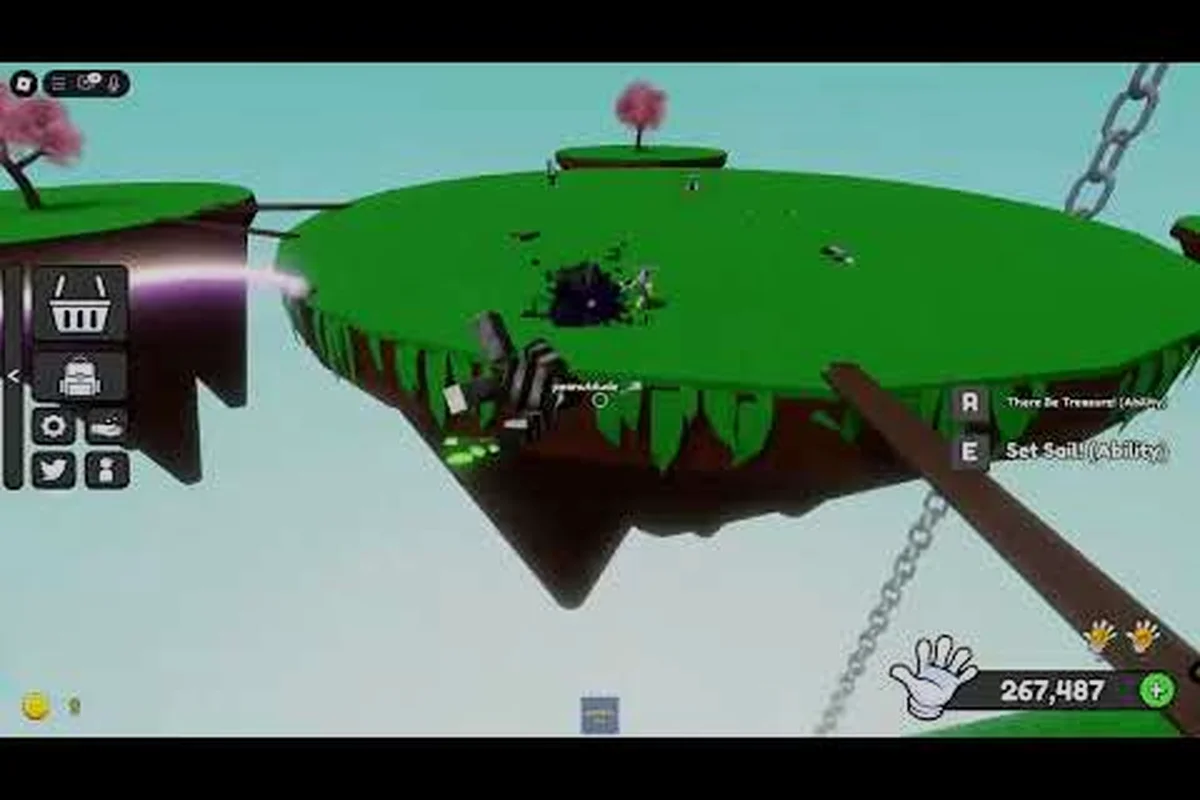
Slap Battles Gameplay Explained: Knockouts, Slaps, and Gloves
Learn Slap Battles gameplay from knockout basics to earning slaps, unlocking gloves, activating abilities, and controlling knockback.
Slap Battles Ragdoll Physics: Knockback and Lobby Rules
Explore Slap Battles ragdoll physics, including knockback resistance, glove impact, PvP behavior, lobby flow, and the role of glove stands.
Slap Battles Void Knockback: Cause, Respawn, and Hit Detection
Decode Slap Battles void knockback by examining hit detection, slap radius, respawn timing, camera settings, and the impact of shift lock.